This store requires javascript to be enabled for some features to work correctly.






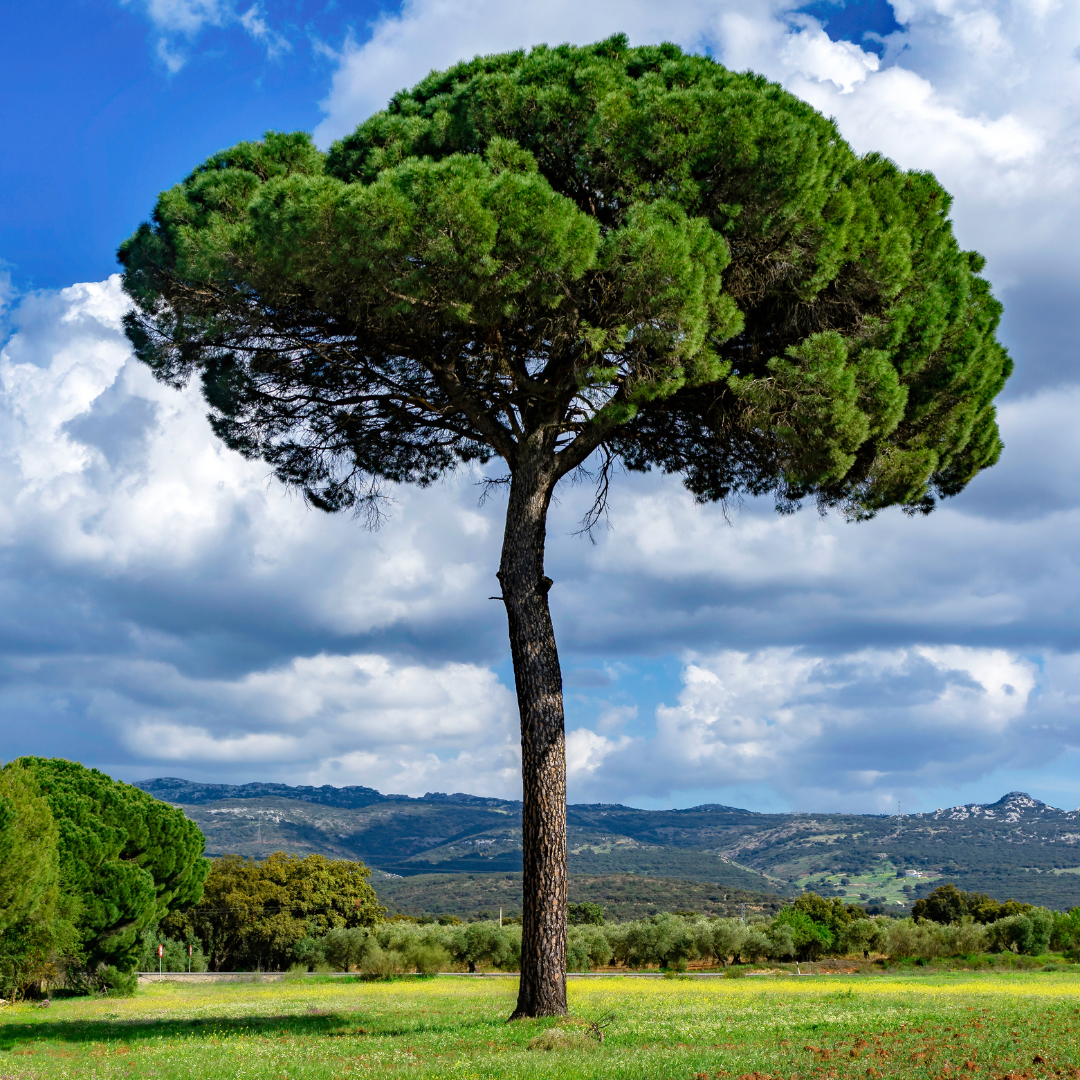
Pinus pinea inoculated with Lactarius deliciosus spores
Pinus pinea, commonly known as the Stone Pine or Pinenut Tree
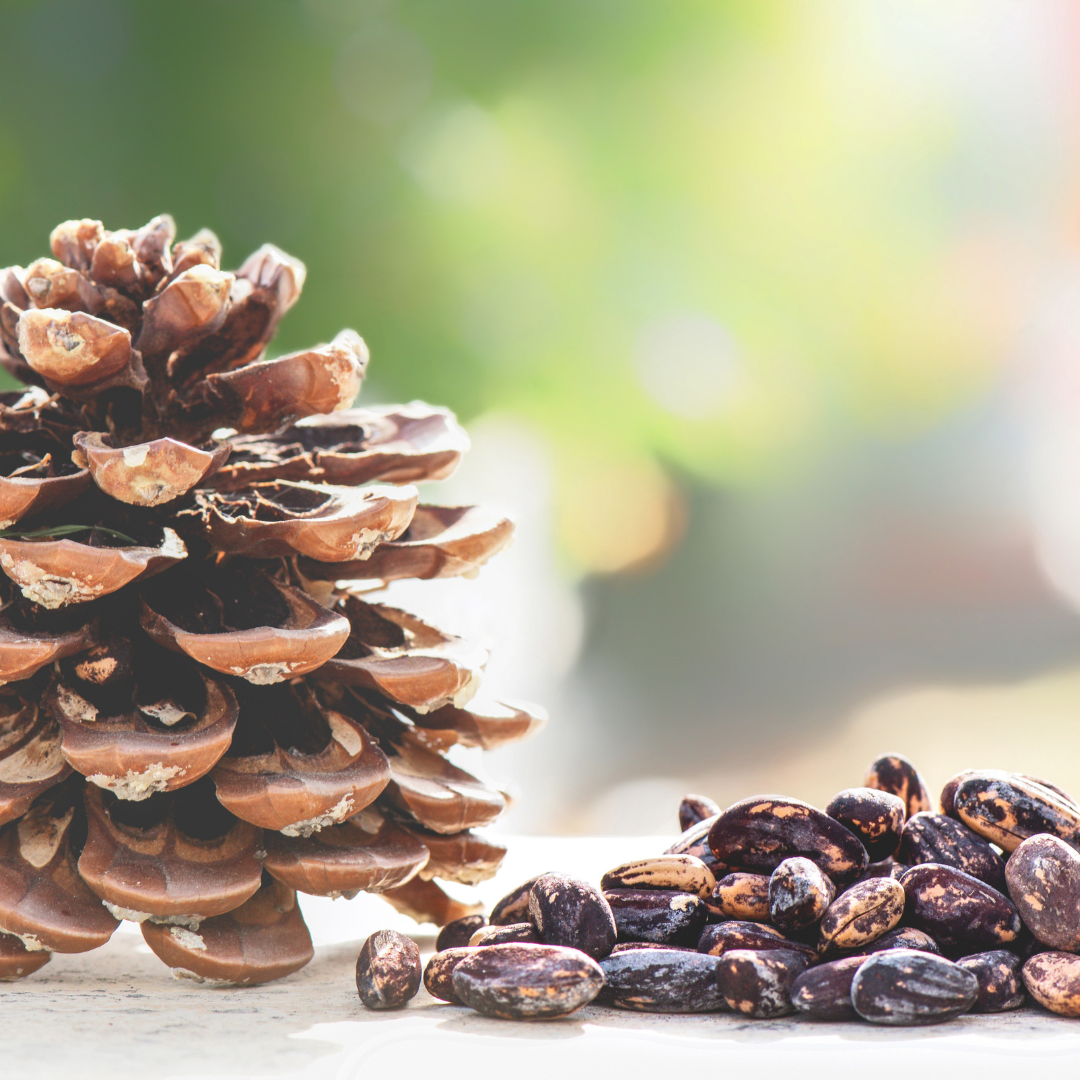
Is an evergreen conifer renowned for its distinctive umbrella-shaped canopy and the production of edible pine nuts. Native to the Mediterranean region, this striking tree can reach heights of 12–25 meters with a broad canopy spread of 8–10 meters at maturity. With a moderate growth rate, it features long, soft, deep-green needles and develops large woody cones that contain the highly prized pinenuts.
Saffron Milk Cap (Lactarius deliciosus) is an edible ectomycorrhizal mushroom that grows in association with pine roots.
Rather than growing independently like many cultivated mushrooms, the fungus forms a relationship with its host tree, exchanging soil nutrients and water for carbohydrates produced by the tree.
These seedlings have been inoculated with Saffron Milk Cap spores around their developing root systems to encourage this association.
Growing for Mushrooms
For the best opportunity of establishing the Saffron Milk Cap association, plant the seedling with as little disturbance to the root system and surrounding potting media as possible.
Choose an open, sunny, well-drained position and avoid introducing soil from underneath established pine trees around the new seedling, as this may introduce competing mycorrhizal fungi.
Features:
-
Height: 12–25 meters (mature), 20–40cm (current size)
-
Width: 8–10 meters when mature
-
Growth Rate: Moderate (30–60 cm per year when young)
-
Foliage: Evergreen, long slender needles in bundles of two
-
Cones: Large, woody cones taking 2–3 years to mature
-
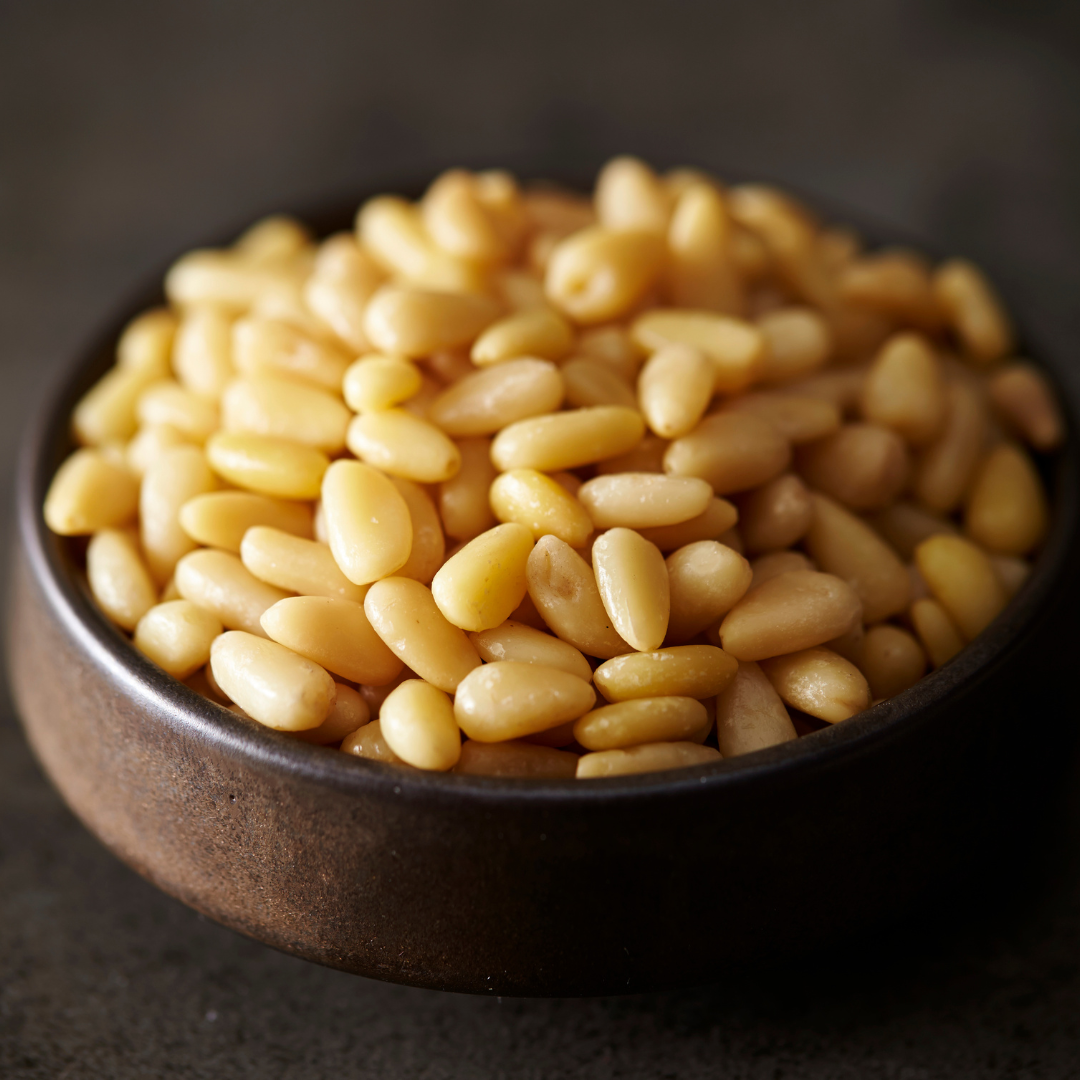
Seeds: Edible pine nuts, valued for their rich, buttery flavor
- Production: Saffron Milk Cap Mushrooms 2-4years after planting (in suitable conditions)
- Production: Pine Nuts 6-8years (in suitable conditions)
Culinary Properties: Pine Nuts
Rich, buttery kernels traditionally used in pesto, salads, baking, sauces and Mediterranean dishes. Pine nuts are nutrient-dense, containing healthy fats, protein, and essential minerals. Their smooth, buttery taste makes them ideal for pesto, salads, baked goods, or as a roasted snack.
Culinary Properties: Saffron Milk Cap Mushrooms
Firm, colourful mushrooms traditionally grilled, fried, roasted or cooked with garlic, herbs and olive oil. Their striking orange caps make them one of the easiest edible pine-associated mushrooms to recognise once properly identified.
Nutritional Profile: Pine Nuts
-
Vitamins: Source of Vitamin E and K
-
Minerals: High in magnesium, zinc, and iron
-
Healthy Fats: Rich in monounsaturated fats that support heart health
-
Protein: A plant-based protein source for energy
Nutritional Profile: Saffron Milk Cap Mushrooms
- Vitamins: B2 (riboflavin), B3 (niacin), B5, folate (B9) & vitamin D2
- Minerals: Potassium, phosphorus, magnesium, calcium, iron, zinc, copper & manganese
- Healthy fats: Linoleic acid (omega-6) & oleic acid (omega-9)
- Protein: Naturally contains protein and essential amino acids
- Plus: Dietary fibre, β-glucans & natural antioxidant compounds